


Teething has long been a rite of passage for parents, conjuring images of sleepless nights, fussy babies and desperate searches for relief. But what if this narrative is more myth than reality? A groundbreaking study is challenging assumptions about teething and its impact on infant sleep—and the findings might surprise you.
In a comprehensive study published in the Journal of Pediatrics, researchers used auto-videosomnography—a revolutionary method employing computer vision to decode infant sleep patterns from crib camera footage. Over four weeks, the study meticulously analyzed over 800 infants across the U.S. It tracked nighttime sleep metrics such as total sleep time, nighttime awakenings, and parental crib visits, comparing teething nights with non-teething nights.
While over half of parents surveyed reported that baby teething caused sleep disturbances, the objective data told a different story. When looking at the objective Nanit sleep data there were no significant differences in sleep metrics between teething and non-teething nights.
“If a child isn’t sleeping well, parents want to figure out why,” says Emily Oster, PhD, a professor, economist and one of the authors and researchers of the study. “In a lot of cases, disrupted sleep is blamed on teething. If, in fact, teething is at fault, then that’s helpful and will let parents treat the issues. But if teething is not the problem, this assumption can lead to other explanations being ignored. These results show that teething is not at fault for poor sleep.”
Dr. Maristella Lucchini, sleep consultant and Nanit’s Senior Clinical Researcher at Nanit, shared her personal journey of questioning this common belief. "Initially, with my first child, I frequently encountered advice suggesting that poor sleep was likely due to teething," said Dr. Lucchini, who also contributed to the study. "By the time I had my third child and completed my training as a sleep scientist, I started questioning this belief because I couldn’t find substantial research to back it up. Our data revealed no measurable effect of teething on sleep metrics, even when we accounted for factors like the child’s age, first tooth, or sleep practices."
While the study shows that teething may not be the main culprit behind poor sleep, parents can still face challenges. For those wondering how to help a teething baby sleep better, focusing on creating a consistent bedtime routine and using soothing methods like chilled teething toys can make a difference in promoting comfort and relaxation.
Why the Teething Disconnect?
Dr. Michal Kahn, a sleep researcher and licensed clinical psychologist who collaborated on the study, offered insights into why parents strongly associate teething with sleep disruptions. "Confirmation bias likely plays a role,” he said. “When parents expect teething to disrupt their baby’s sleep, they become more vigilant during these periods and are more likely to attribute awakenings to teething. Parents also naturally seek concrete explanations for unpredictable infant sleep patterns, with teething offering a tangible explanation for what are often normal sleep variations or unrelated sleep issues.”
Interestingly, this study highlights a critical gap between parental perceptions and objective data. Parents may focus on qualitative aspects, such as crying or distress, that aren’t fully captured by objective sleep metrics.
The Silver Lining Around Teething and Sleep
For parents navigating the unpredictable waters of infant sleep, this study offers a reassuring takeaway: if your baby’s sleep is off, teething may not be the culprit. Restless nights and discomfort are more likely linked to developmental milestones, illness, or changes in routine than the arrival of pearly whites.
Dr. Natalie Barnett, lead researcher at Nanit Lab, sees these findings as an opportunity to empower parents with evidence-based tools. "This study should encourage parents to rely more on data-driven observations rather than subjective assessments,” Barnett said. “Understanding that sleep disturbances might be solved by behavioral interventions—rather than assuming teething is the cause—can help parents feel more in control.”
Solutions to Your Baby Staying on Schedule
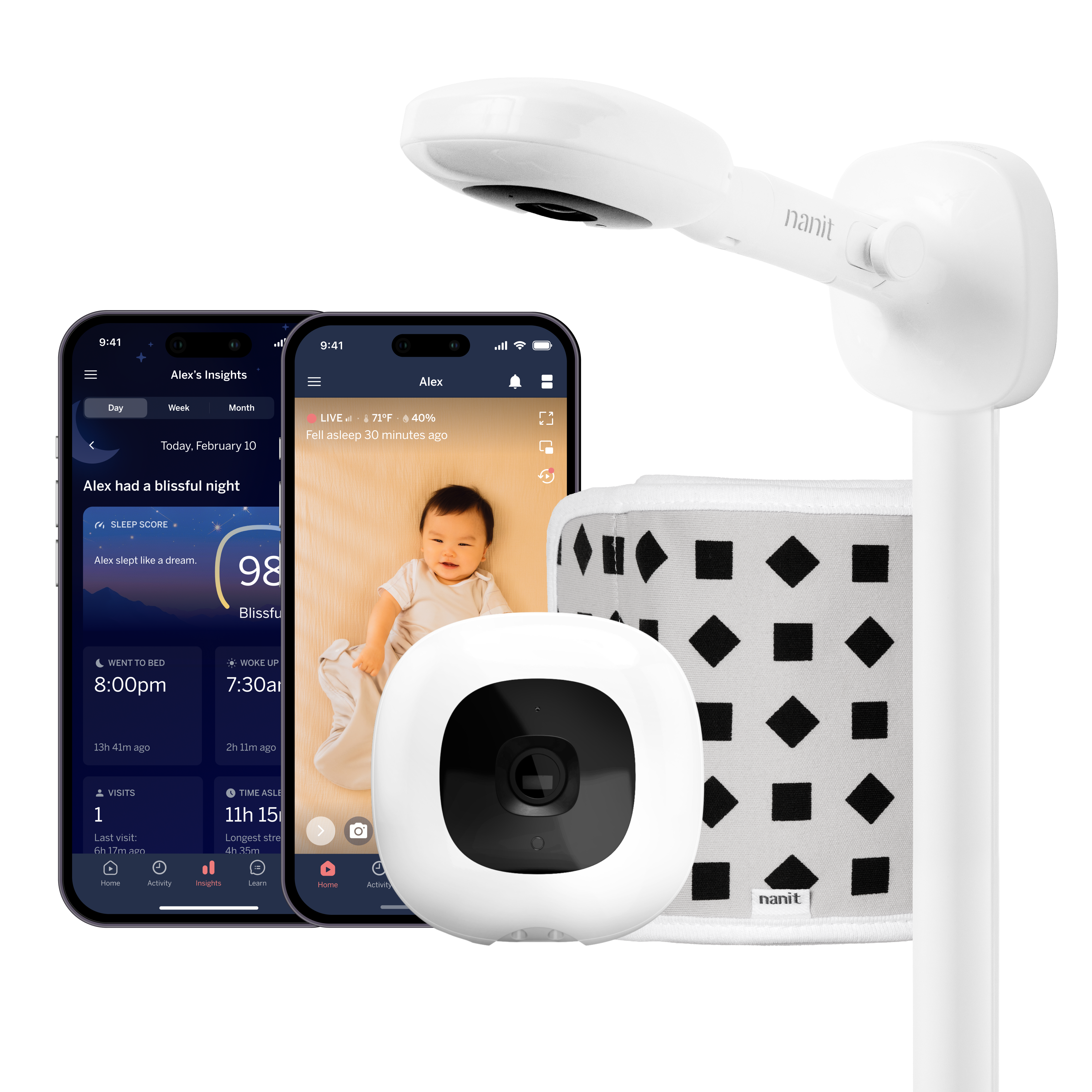
So, how can parents approach teething without falling into the blame trap? First, shift focus from the teeth to the whole baby. Look for signs of discomfort—such as drooling or gum rubbing—and offer simple comforts like chilled teething toys. For sleep, prioritize consistency: a predictable bedtime routine, a calming sleep environment, and sleep tracking tools like the Nanit baby monitor can help.
"Nanit’s features, such as real-time sleep tracking and alerts, help parents decode their baby’s patterns without guesswork,” Barnett added. “This fosters a proactive approach to addressing sleep challenges and understanding their child’s needs."
The Bigger Picture
This study is a call to action for pediatricians and healthcare professionals to help debunk myths and guide parents toward science-backed practices. Misattributing sleep problems to teething can lead to unnecessary remedies, such as overuse of pain relievers, some of which carry risks for young children. Most importantly, it’s an opportunity to reassess strategies for supporting healthy sleep habits, like encouraging little ones to self-soothe and fall asleep independently.
Dr. Kahn emphasized the broader implications for research. "This gap between video-based data and parental perceptions underscores the value of combining objective measurements with parental reports,” he said. “Future studies should explore how to communicate evidence-based findings effectively, particularly when they contradict commonly held beliefs."
Lucchini echoed this sentiment, proposing additional variables for future research. "Tracking parental use of pain relievers, daytime mood changes, or out-of-crib activity could provide deeper insights into how teething interacts with infant behavior,” she said. ‘A comprehensive approach can paint a clearer picture for both parents and healthcare professionals."
Teething is no small feat, but thanks to this research, parents can let go of the guilt and frustration tied to sleepless nights. With science, patience, and the right tools, teething may no longer feel like a sleepless storm but a manageable milestone in your parenting journey.
We want to hear from you! Do you have a teething story to share? Drop a comment in our community chat and get the conversation going.
“By giving parents confidence and freedom, Nanit's AI will ultimately make the world a better place.”
How to plan a baby shower that isn't boring