


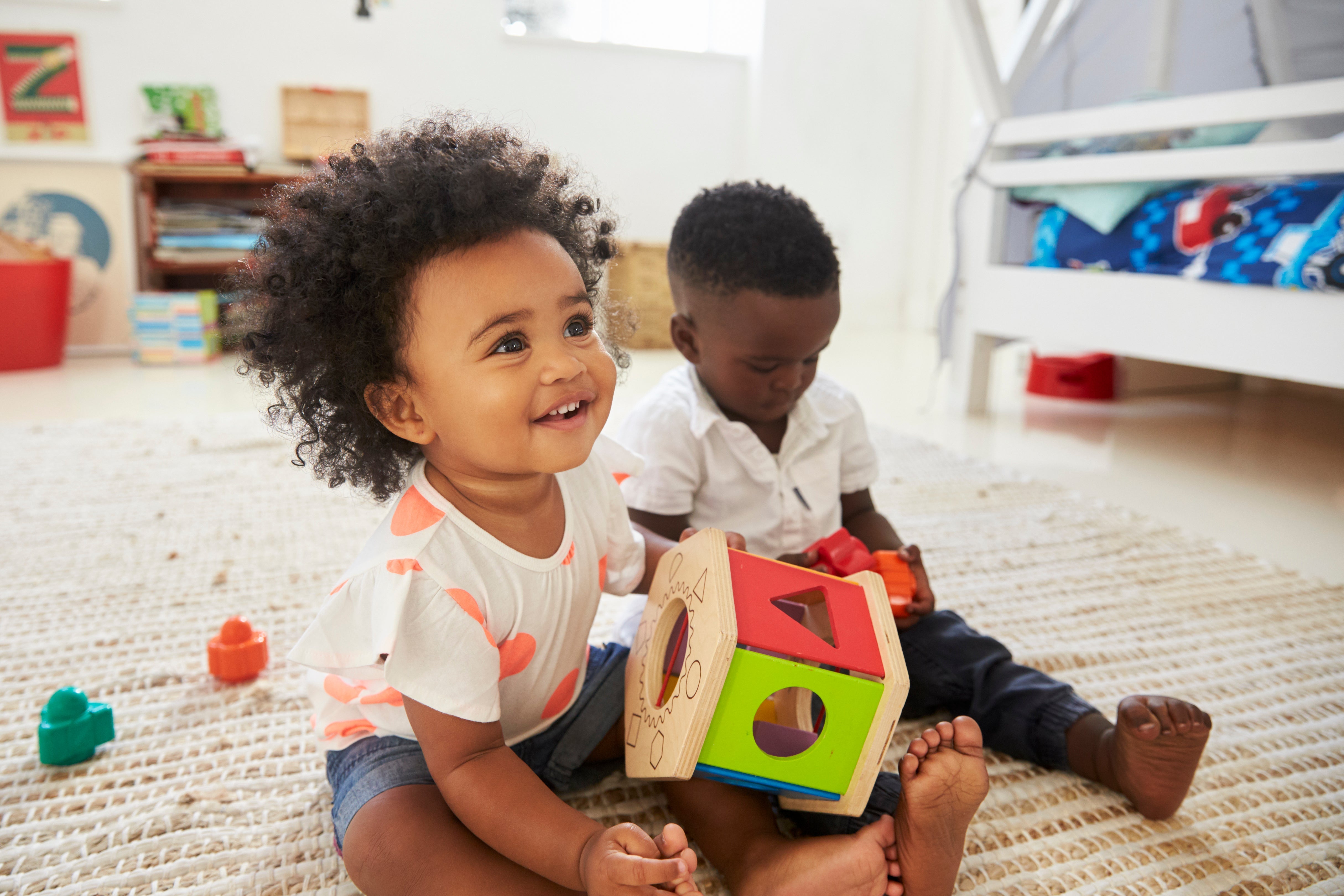
18 Month Old Nap Schedule:
Your baby will most likely be down to one solid nap per day and that nap will likely be around 2 hours. Once they’ve transitioned to one nap a day, remember to give them the quiet space they need to relax and ease into this new routine for their days. Though they may not want to nap, they’ll appreciate the rest that their bodies will get. You’re welcome to lay your baby down 30 minutes earlier for their afternoon nap, which might help them get through the day for the first week or two during this change in their routine.
18 Month Old Feeding Schedule:
Your baby is likely a big fan of solid foods by this time. It’s fine for them to be drinking cow’s milk, but they shouldn’t be consuming more than 20 ounces each day. If they’re drinking more than that, take it as a sign that they’re not eating enough solid foods, which is probably why they’re still hungry. Solid foods will be the main source of nutrition. Your little one should be fairly used to 3 meals a day at this point, and you’ll learn more and more every day about the different flavors and textures they enjoy! Take advantage of opportunities for fun exploration during this time by exposing baby to new foods.
How Long Should An 18 Month Old Sleep?
At this age, your baby should be sleeping about 2 hours during the day, and 11 to 12 hours at night. Nightmares may be a not so fun development during this time, in addition to a fear of the dark. Nightlights can help to soothe baby’s fears. Try to find a nightlight that is not too bright or distracting.
It’s best to hold off moving your baby into a toddler bed at this age, as their crib is likely their safe and familiar haven, and allows for a positive family-baby relationship.
18 Month Old Sample Sleep Schedules
Click on each schedule below to expand it and find the routine that best fits your baby's current nap and feeding patterns.
2 Naps
| Time | Activity |
|---|---|
| 7:00 AM |
Wake & Milk FeedAt this age, your baby is able to sleep through the night without feeling hungry. The first feed of the day will be a bigger one for this reason.
|
| 8:00 AM |
BreakfastSomebody's hungry! Your baby will love trying out new foods during this solid breakfast. Try introducing foods like oatmeal, avocado or butter on toast fingers, scrambled eggs, roasted cherry tomatoes, or whole wheat pancakes cooked with blueberries.
|
| 9:00 – 10:00 AM |
Nap 1This nap may be a bit shorter depending on the day—your baby may feel ready closer to 45 minutes later. Totally fine, but make sure they're up in time for the next feed if they don't awake on their own at the end of this hour.
|
| 11:00 AM |
Milk FeedAs your baby starts to eat more and more solid foods, they may not be as hungry for milk. Try cutting back on this feed.
|
| 12:30 PM |
LunchSolid foods are your baby's new best friend! Don't be surprised if they're starting to feel more comfortable with self-feeding, too.
|
| 1:00 – 3:00 PM |
Nap 2This second nap may be pushed back 30 minutes if your baby has more energy between naps, which is totally fine. Just make sure they're awake by the end of this hour to be ready for their scheduled bedtime.
|
| 3:00 PM |
Milk FeedA nourishing milk feed will be nice for your baby after a long afternoon nap.
|
| 5:30 PM |
DinnerUse every meal as an opportunity to introduce your baby to new (and familiar) solid foods, textures, and flavors. Your baby is more independent now, so encourage them to self-feed, if they seem comfortable doing so.
|
| 6:15 PM |
BathSplish-splash! It's time for a bath!
|
| 6:45 PM |
Bottle & BookYour baby may not need to be fed milk before bed, thanks to their nutritious and filling solid dinner. Try reading a book to your little one or singing a lullaby to help them fall asleep.
|
| 7:00 PM |
BedtimeTime for bed. Sweet dreams!
|
1 Nap
| Time | Activity |
|---|---|
| 7:00 AM |
Wake & Milk FeedYour baby's going to be hungry after (most likely) not feeding overnight! Feel free to combine milk and breakfast if you'd like to include your little one in your family's meal.
|
| 8:00 AM |
BreakfastThis first meal of the day is a great time to continue introducing creative flavors and foods to your baby. We recommend gentle foods like scrambled eggs, oatmeal, toast fingers with butter or avocado, roasted cherry tomatoes, or whole wheat pancakes with blueberries—let your imagination run free!
|
| 10:00 AM |
Optional SnackHow does a small snack sound? Probably pretty yummy to your baby! Just be sure it doesn't interfere with their lunch. This can also be a small milk feed.
|
| 11:30 AM |
LunchThis solid meal is another great opportunity to continue getting creative with different foods, flavors, and textures. Your little one will feel more comfortable feeding themself, too. This meal may need to be a bit earlier, since your baby is on the one-nap-a-day schedule, so be sure to keep the morning snack light to avoid fullness for lunch.
|
| 12:00 – 3:00 PM |
NapThis long nap should last for no more than 3 hours, so make sure to wake up your little one by the end of this scheduled time if they're not already waking up on their own. They might be ready for their nap a little later. This nap might vary. If they don't nap too long they might need to go down earlier at night.
|
| 3:00 PM |
Milk FeedYour little one is ready for a post-nap milk feed.
|
| 4:30 PM |
Optional SnackOffer your baby foods that are easy to eat, like baby carrots, slices of cucumber, apples with peanut/almond butter, a handful of berries, a clementine, a mini whole wheat bagel with peanut/almond butter or a hard boiled egg are all great options. Don't let this afternoon snack interfere with dinner—keep it light and portable!
|
| 5:30 PM |
DinnerEvery baby is different, but it's common for babies at this age to feel comfortable eating a variety of solid foods with different flavors and textures. They'll probably enjoy feeding themself too!
|
| 6:15 PM |
BathSplish-splash! It's time for a bath!
|
| 6:45 PM |
Bottle & BookYour little one might not crave a milk feed right now, given the solid dinner they just had!
|
| 7:00 PM |
BedtimeTime for bed. Sweet dreams!
|
No Naps
| Time | Activity |
|---|---|
| 7:00 AM |
Wake & Milk Feed / BreakfastYou might choose to combine milk and breakfast at this age, especially if your little one is included in your family's breakfast.
|
| 10:00 AM |
Optional SnackHow does a small snack sound? Probably pretty yummy to your baby! Just be sure it doesn't interfere with their lunch. This can also be a small milk feed.
|
| 12:00 PM |
LunchAt this age, a solid lunch for your baby means that they're fairly comfortable with a variety of flavors and textures.
|
| 12:30 – 2:00 PM |
Rest TimeThat nap is gone, but a 'rest' time is a great way for your baby to recharge. That can look different for every baby, but perhaps try putting your baby in the crib along with some toys and with the lights on for some quiet play.
|
| 2:00 PM |
Milk FeedEnd rest time with a drink or small snack.
|
| 4:30 PM |
Optional SnackA baby-sized snack for your baby might be good to help them last until dinner. Same as earlier—keep it light so as to not interfere with dinner. Foods like baby carrots, apples with peanut/almond butter, a handful of berries, a clementine, a mini whole wheat bagel with peanut/almond butter, or a hard boiled egg are all great options. You'll probably be out and about, so choose something portable and easy on the go.
|
| 5:30 PM |
DinnerSo many delicious flavors and textures for your little one to look forward to in this solid dinner! Encourage them to self-feed if that's something they seem comfortable doing.
|
| 6:15 PM |
BathSplish-splash! It's time for a bath!
|
| 6:45 PM |
Book & Optional DrinkSolid dinners may leave your baby feeling too full for a bottle/sippy cup before bed.
|
| 7:00 PM |
BedtimeTime for bed. Sweet dreams!
|
17 Month Old Sleep Schedule
19 Month Old Sleep Schedule