


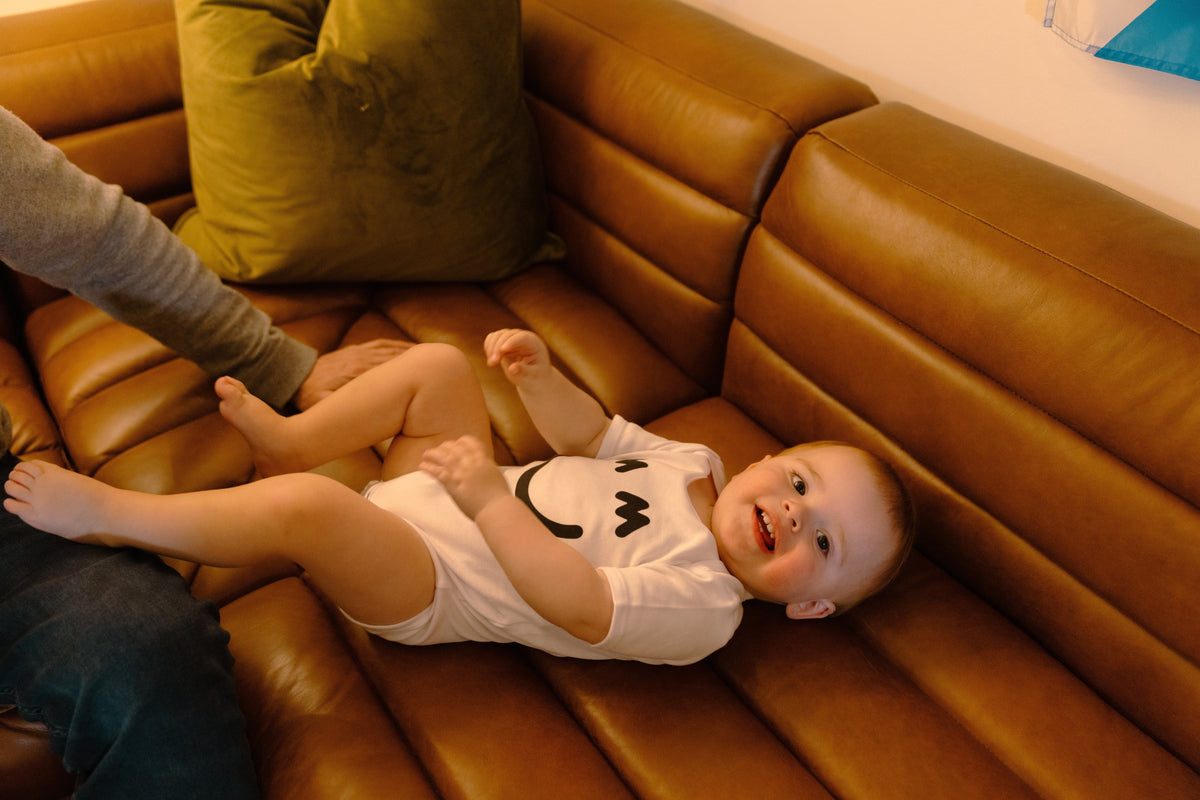
8 Month Old Nap Schedule
Near the beginning of this age range, you may find that you’re still trying to work towards certain sleep, nap, and feeding patterns that apply to 6 month old babies. That’s fine! Every baby will progress at their own pace, depending on their unique preferences and growing bodies. Around 8 months, they’ll probably still be napping for 2-4 hours during the day.
8 Month Old Feeding Schedule
You may have started feeding your baby solid foods a couple of months ago (or perhaps longer). Some babies will want to devour everything you put in front of them, some will be a little picky about the different tastes and textures and some may still not have the hang of it just yet…and that’s totally fine and normal. It’s a learning process. Whichever category your baby falls into, your baby should now be attempting 3 meals a day at 8 months. This may seem futile if your baby is still struggling to move the food to the back of their mouth and swallow, but the mouth is a muscle after all, and practice makes perfect.
Nighttime feeds should be gone at this point. Your baby is capable of lasting through the night without food — what they need more than anything at this age, is a good night’s rest! Early on, your baby should still be taking about 4 milk breast milk or formula feeds a day. Between 12 and 14 months, you may wish to switch your baby to cow milk instead of formula or breastfeeding, though you’re welcome to keep breastfeeding.
8 Month Old Wake Window
At 8 months old, mastering wake windows is key to a harmonious nighttime sleep. Typically, these little explorers thrive on 2-3 hours of awake time between naps, allowing them to engage with the world and tire themselves out just enough for restful sleep. Observing your little one’s sleep cues closely will guide you in adjusting their awake window for setting the best baby sleep schedule.
How Long Should An 8 Month Old Sleep?
At 8 months, your baby will probably still be sleeping around the same amount of time overall as they were at 7 months. In the evenings, you can expect your little one to sleep for 11-12 hours.
As you begin to see an increase in your baby’s gross motor skills, social awareness, language awareness, etc., you’ll notice the importance of a bedtime routine, dependable transitions, and consistency. This helps your baby make sense of the world and get the sleep they need. Though they may not be able to consciously explain or even comprehend why they need to sleep, their mental and physical development leads them in that direction. (Kinda cool right?)
There will probably be some milestones that your baby reaches around this age, so get excited! Learning how to sit or stand may be easy, thanks to their personal gym, aka crib. It is possible that these movements will cause a disruption in sleep, but don’t worry! You just need to be consistent when dealing with the aftermath. Beware, your baby may quickly realize that this is a game — if they sit up, and your response is to rush over and lie them down, they’ll know to continue doing that. Avoid this silly game by showing them how to lie down (instead of just picking them up) and giving them the time and space to figure it out on their own. Lots of practice with these kinds of moments during the day will make this no biggie.
Follow our baby sleep guide below to build a solid foundation for your 8 month old.
8 Month Old Sample Sleep Schedules
Click on each schedule below to expand it and find the routine that best fits your baby's current nap and feeding patterns.
3 Naps
| Time | Activity |
|---|---|
| 7:00 AM |
Wake & Milk FeedThis first feed of the day will likely be a big one.
|
| 8:00 AM |
BreakfastIt's time for a solid breakfast. You're most likely going to puree any foods at this age, and this is a good opportunity to start experimenting with flavors, as well as textures. Your little one might like sweet potato pureed with oatmeal and apple, pureed avocado and rice cereal, or pureed quinoa with banana and squash (yum!). Your baby might like to start feeding themselves with their hands, so putting a few small, soft things for them to eat on the high chair can be a great way to encourage them to explore food textures. This is gonna get messy! But it's really fun seeing their little personalities and preferences come out! A few foods baby can try: avocado, banana, steamed (soft) baby carrots or cubes of potato or squash.
|
| 9:00 – 10:00 AM | Nap 1
|
| 10:00 AM |
Milk FeedTime for food! Your baby may not be awake for another half an hour, and they might not be hungry when they first wake if they ate a big breakfast.
|
| 11:30 AM |
LunchThis solid lunch is a great time to start experimenting with flavors and textures. Encourage your little one to start feeding themself, even if it's just small pieces of food while the majority of their food is still guided by a caregiver!
|
| 12:00 – 1:00 PM |
Nap 2You might start seeing this nap get pushed back a little later, which indicates that your baby is getting ready to drop the third nap. It could be a good idea to introduce a small lunch before going down for the second nap.
|
| 1:00 PM |
Milk FeedTime to feed baby — this may not happen for another half an hour, when your baby wakes up from their nap.
|
| 3:00 – 4:00 PM |
Nap 3Babies are like cats with their naps, sometimes only needing 15–30 minutes at a time (or a little longer if they want). Make sure they're up within this hour, otherwise it'll be a little trickier to get them to sleep at night. Your little one is about to transition to two naps, so it's alright if there are days where they skip this nap, especially if it is taken on the go, like in a stroller or car.
|
| 4:00 PM |
Milk FeedThe nap is over and it's time for milk!
|
| 5:30 PM |
DinnerOffer a solid dinner around this time.
|
| 6:15 PM |
BathNighttime baths are kind of optional, but if you and baby enjoy it, great! Alternatively, if it feels stressful, try bathing at another time during the day. Your little one may need a quick sponge off after dinner though, especially since their meals are getting messy!
|
| 6:45 PM |
Last Milk FeedA good way to avoid having your baby fall asleep at the bottle is by incorporating some kind of story time, music, or any kind of mellow interactive playtime between the last feed and bedtime. Use your Nanit Sound + Light Machine to help you establish a consistent bedtime routine.
|
| 7:00 PM |
BedtimeTime for bed. Sweet dreams!
|
2 Naps
| Time | Activity |
|---|---|
| 7:00 AM |
Wake & Milk FeedPay attention to how your baby reacts to this morning's feed — if they're less hungry, you might want to cut back on nighttime feeds. If you're breastfeeding, you will probably feel pretty full after a night of resting and not feeding. After the baby's been fed, pump off some of that extra milk for later.
|
| 8:00 AM |
BreakfastNow that your baby is eating more solid breakfasts, take an opportunity to experiment with flavors and textures that your little one might come to love. Maybe some avocado on toast fingers, toast fingers with butter (or vegemite if you're Australian!).
|
| 9:00 – 10:00 AM |
Nap 1Timing for this nap schedule may fluctuate. Your baby may be ready 15 to 30 minutes after this time. Totally fine if that's the case, just make sure they're up within an hour and a half, if they don't wake up on their own.
|
| 10:00 AM |
Milk FeedOnce your baby is more comfortable on solid food, this feed may need to cut back a bit, especially if they're not hungry at this time. You may wish to push back by 30 minutes — depending on when they awake from their nap — as well as maybe cutting down on the amount you feed.
|
| 12:30 PM |
LunchThis solid lunch is a great time to start experimenting with flavors and textures. Encourage your little one to start feeding themself, even if it's just small pieces of food while the majority of their food is still guided by a caregiver!
|
| 1:00 – 3:00 PM |
Nap 2Someone's ready for a nice, long afternoon nap!
|
| 3:00 PM |
Milk FeedTime for post-nap milk.
|
| 5:30 PM |
DinnerSolid dinners are a great time to play with even more flavors and textures. Keep it consistent with lunch, if you'd like, or mix it up if baby's responding well to new foods.
|
| 6:15 PM |
BathSplish-splash! It's time for a bath!
|
| 6:45 PM |
Bottle & BookBreak up the last feeding and bedtime with a song or story, to keep your little one from falling asleep at the breast or bottle.
|
| 7:00 PM |
BedtimeTime for bed. Sweet dreams!
|
7 Month Old Sleep Schedule
9 Month Old Sleep Schedule